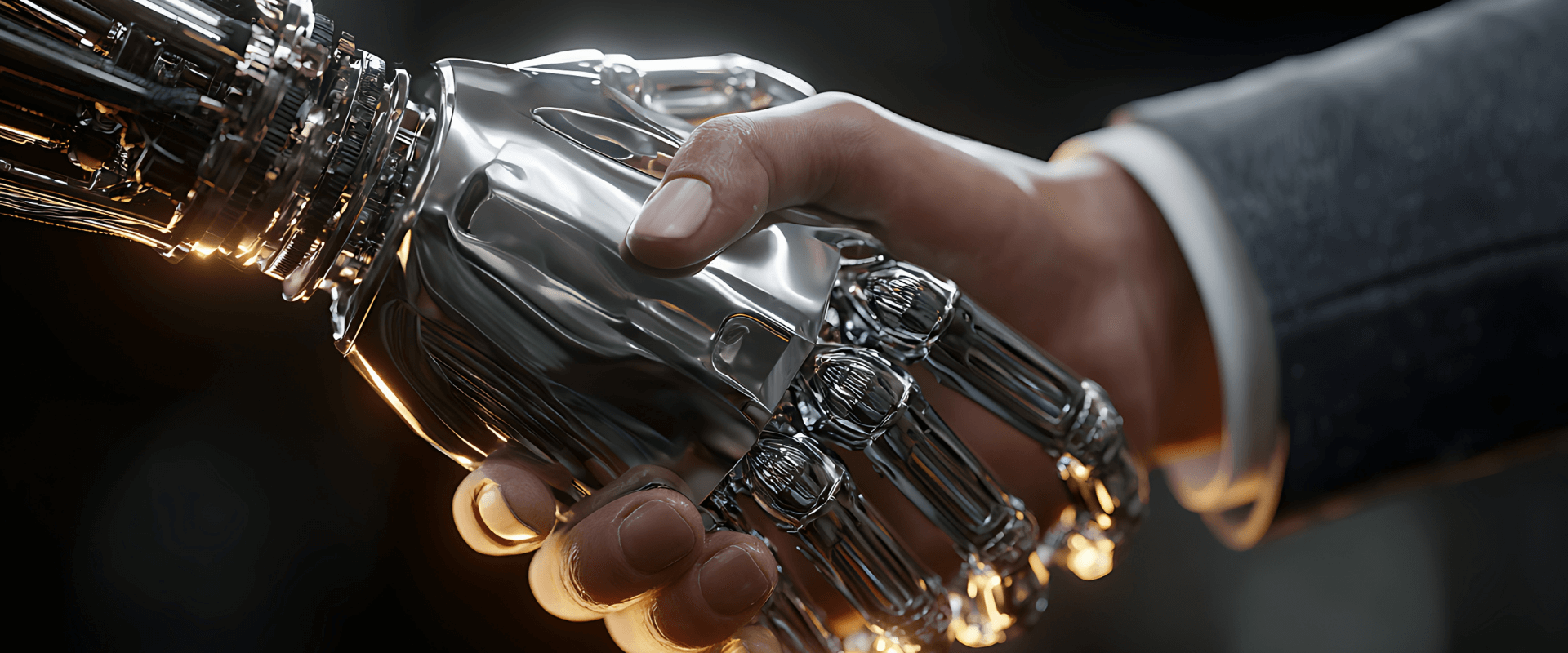
As we move deeper into the second half of the 2020s, technology is evolving at a pace that feels both exhilarating and transformative. Artificial intelligence, once a niche topic discussed by researchers and futurists, or seen in sci-fi movies, has become a central force shaping economies, workplaces, and everyday life. By 2026, we’re not just witnessing incremental progress; we’re experiencing a fundamental shift in how humans and machines collaborate.
Below is a look at the trends defining the technological landscape heading into 2026, and what they mean for individuals, businesses, and society at large.
AI Becomes a True General-Purpose Companion
In 2026, AI is no longer confined to isolated tasks like answering questions or generating images. We’re entering an era of adaptive, multimodal AI systems capable of understanding context across text, images, audio, and even continuous video feeds.
These systems:
- Learn user preferences organically
- Provide real-time decision support
- Collaborate proactively rather than reactively
- Handle cross-domain tasks (e.g., planning a trip, optimising finances, and rewriting code)
In businesses, AI has become an “always-on” teammate: analysing workflows, detecting inefficiencies, and suggesting improvements before humans even notice them.
Intelligent Automation Redefines Work
Automation in 2026 is more sophisticated and accessible than ever. Instead of replacing workers outright, AI augments them, taking over repetitive or cognitively heavy tasks while humans focus on strategy, creativity, and relationship building.
Key workplace changes include:
- AI-first project management, where systems monitor pipelines, dependencies, and risks automatically.
- Hyper-personalised employee tools that adapt to each person’s working style.
- End-to-end process automation, particularly in finance, logistics, healthcare, and software engineering.
The result is a shift from “doing work” to “designing how work gets done.”
The Rise of Synthetic Agents and Digital Colleagues
2026 introduces the era of synthetic AI agents, autonomous digital workers that can interact with software, APIs, and enterprise systems.
Businesses increasingly employ teams of agents that:
- Run simulations
- Handle customer inquiries
- Perform QA testing
- Manage routine back-office operations
These agents can coordinate with each other and with humans, blurring the line between employee and tool. Ethical governance frameworks are emerging to ensure transparency, accountability, and fair use.
Consumer Technology Gets More Ambient and Invisible
The most compelling technologies in 2026 are those you don’t even notice.
We are moving past screens and devices to an ecosystem where intelligence is embedded everywhere:
- Smart homes predict needs and manage resources automatically.
- AI-driven wearables monitor health continuously and intervene proactively.
- AR overlays blend digital information into the physical world without bulky devices.
Technology is shifting from something we use to something that surrounds and supports us.
AI-Enhanced Creativity Reaches New Heights
Creatives across all fields are empowered by tools that elevate human imagination rather than replace it.
By 2026:
- Video generation engines create full scenes from simple prompts.
- Musicians compose with AI collaborators that understand emotion and rhythm.
- Writers use AI to brainstorm, restructure narratives, and explore alternative story arcs.
- Artists mix physical and digital mediums in ways previously impossible.
This new accessibility empowers fresh voices, enabling entirely new forms of expression while making it easier for emerging creators to get started.
Ethical AI and Regulation Mature Significantly
Alongside rapid innovation, 2026 marks a turning point in responsible AI:
- Governments roll out stricter transparency and data-use standards.
- Companies adopt “model nutrition labels” to document how systems are trained.
- There is an industry-wide focus on value alignment, accountability, and explainability.
Society increasingly expects AI to not only be powerful but also trustworthy, fair, and safe.
The Fusion of Biology and Technology
Breakthroughs at the intersection of AI, biotechnology, and health define some of the most important advancements:
- AI-powered diagnostics outperform traditional screenings.
- Personalised medicine becomes commonplace, guided by AI modeling.
- Brain-computer interfaces gain mainstream traction for accessibility and productivity.
We’re witnessing the early stages of symbiotic human–machine integration.
A More Connected, Faster, and Sustainable World
Underlying all these changes is a foundation of improved infrastructure:
- 6G networks begin enabling real-time, ultra-dense connectivity.
- Edge computing reduces latency and enhances privacy.
- Green technology leverages AI to optimise energy use at scale.
Sustainability is no longer an afterthought, it is built into the fabric of modern technology.
2026 as the Inflection Point
The year 2026 isn’t just a waypoint on the technological timeline; it’s an inflection point. AI is transitioning from powerful tool to ubiquitous collaborator, reshaping how we live, work, and create. The companies, and individuals, who thrive in this era will be the ones who embrace this partnership with intention, curiosity, and a commitment to ethical innovation.
The future is not only automated. It is deeply human, enhanced by intelligent systems that empower rather than overshadow us.